Ledger Live: Official Wallet Download and Secure Crypto Access

Downloading a hardware wallet app feels straightforward until you realize how many fake versions exist. Ledger Live is one of the most targeted apps in crypto for phishing — convincing replicas, nearly identical URLs, same design. People install them thinking they got the real thing and find out otherwise when funds disappear.
So the download step matters more than it usually would for software. After that, the rest is genuinely simple.
The app connects to the hardware device, loads your portfolio, and lets you manage everything from one interface. Private keys never touch the computer. Every transaction confirms on the hardware. That's been the model since the beginning and it hasn't changed.
Download and Access

Two minutes to download, ten minutes for first-time setup. Most of that ten minutes is the initial device pairing — the installation itself takes under two minutes.
What takes longer is building the habit of verifying the source every time. Worth doing.
Official Download Guide
Type the URL manually. Not a search result, not a link from anywhere — directly into the address bar. Check the domain before clicking download. Check it again before running the installer. The real page is clean, loads fast, has no pop-ups or requests for wallet information before the download starts. If anything looks slightly off, close the tab.
Desktop Installation
Run the installer, follow the steps. The app prompts you to connect the device during setup — plug it in, enter the PIN on the hardware, and accounts load automatically. Clean, straightforward process. If you're reinstalling, accounts restore from the device without any extra steps. Nothing stored in the software means nothing to recover or lose on the app side.
Update Ledger Live Wallet
Version number is in settings. Check it right after installing. If an update is available, install it before using the app for any transactions. Old versions can lose compatibility with newer firmware quietly — no clear error, just unreliable behavior that's annoying to trace back to the actual cause. Staying current prevents most of that.
Download Ledger Live Wallet Now — official 2026, verified source.
App and Wallet
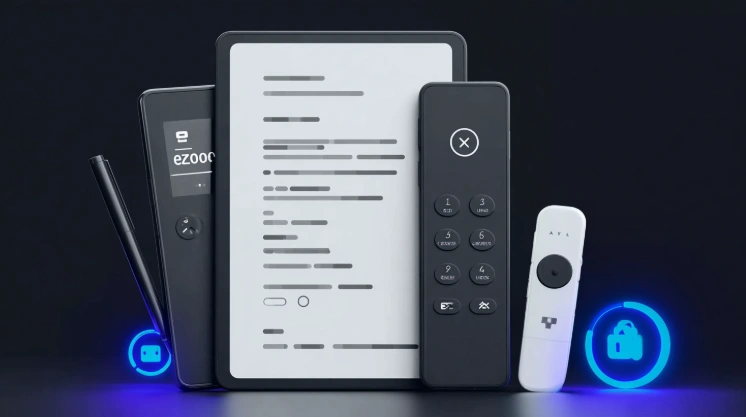
The interface opens to a portfolio screen the moment the device connects. Total balance at the top, assets listed below, recent transactions visible from the home screen. Nothing buried, nothing needs configuring before it's readable.
Transaction signing is where the hardware model shows its value. You initiate a send on the computer — the same details appear on the device display. You verify them on the hardware and confirm with a physical button there. Not on the keyboard. On the device. That step can't be bypassed remotely, which is the entire point of using hardware in the first place.
Wallet Setup
Adding accounts for different assets takes seconds each. The app guides through it clearly. Once added, balances update in real time whenever the device is connected. Add accounts for as many assets as needed — everything sits in the same dashboard without requiring separate tools. Bitcoin, Ethereum, Solana, hundreds of others, all visible from one screen.
App Features
Portfolio tracking across all accounts. Send and receive for supported assets. Built-in crypto purchase through integrated partner services. Firmware update management. Transaction history with filtering by asset and date. All of it through one interface, one login, one device. From experience, users who previously managed assets across multiple wallets find the consolidation alone worth switching for.
Desktop and Mobile Integration
Desktop handles the full feature set — detailed portfolio management, complete transaction history, multi-account control, firmware updates. Mobile covers quick access — balance checks, receiving crypto, basic account overview. Both connect to the same hardware device. Same security model, same hardware confirmation step, different amounts of screen space. Most users end up using both depending on what they need at the moment.
Login and Security
The login here doesn't look like other apps. No password field, no email address, no authentication code. You connect the device, enter the PIN directly on the hardware, and the wallet opens. That's it.
Which means stolen laptop credentials are irrelevant. Remote access tools are irrelevant. Keyloggers are irrelevant. Without the physical device and the PIN entered on the hardware, there's no path into the wallet. The authentication is hardware-dependent by design, not by configuration.
Secure Login Tips
Open the app before connecting the device — not after. That order prevents detection failures that sometimes occur when the hardware connects while the software isn't ready. Enter the PIN on the device itself when prompted, not on the computer keyboard. The whole process takes about ten seconds. Feels different from every other app the first time, routine after a few sessions.
Password Recovery
There's no password to recover in the traditional sense. The PIN lives on the device. Enter it wrong repeatedly and the device wipes — intentional design that permanently blocks brute force attacks. Getting back in after a wipe requires the 24-word seed phrase written down during initial setup. That phrase is the only recovery path and needs to stay offline, on paper, somewhere secure. Never photographed, never typed into any app or website, never shared with anyone.
Any version of this app that asks for the seed phrase during any part of the process is fake.
Login Verification
When something feels off about a login attempt — unusual prompts, requests for information the real app doesn't ask for, behavior that doesn't match previous sessions — stop. Close the app, verify the installed version matches the official release, check where the software came from. The real app behaves consistently. Anything that doesn't follow the standard flow is worth investigating before proceeding.
Desktop Usage
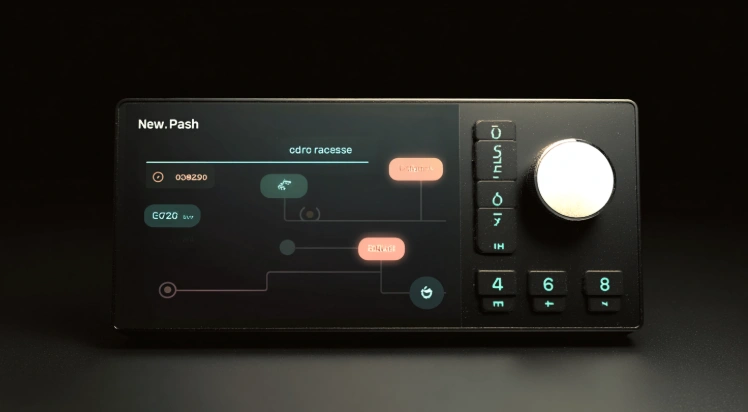
Desktop is where most management actually happens. The full feature set, the complete transaction history, the detailed portfolio view — all of it is better experienced with more screen space. Mobile handles convenience. Desktop handles control.
Day-to-day use is unremarkable once the setup is done. App opens, device connects, portfolio loads. Nothing requires figuring out each session. That consistency is what a good tool delivers after the initial learning curve.
Desktop Features
Complete portfolio view with real-time balances. Transaction history filterable by asset and date. Multi-account management across different networks. Firmware update controls in settings. Integrated crypto purchase through verified partner services. Account organization tools for users managing multiple addresses. All accessible from one interface connected to one device.
Wallet Management
Three habits cover most of what reliable desktop use requires. Use the original USB cable for device connection — generic cables drop connections intermittently in ways that look like software issues. Install updates when notifications appear rather than postponing. Open the app before connecting the device as a consistent practice. Nothing technical, nothing complicated — just consistent habits that prevent the majority of reported issues.
Ledger App Walkthrough
Main screen for portfolio overview. Left panel for account navigation. Individual asset pages for detailed balance history and transaction records. Settings for firmware updates, account management, and app preferences. Two or three clicks from anywhere to reach anything. New users figure out the layout within a few minutes without needing documentation to navigate it.
Access Ledger Live Securely — desktop and mobile, official build.
Trust and Official Sources

The section most people skip. Worth not skipping.
Phishing infrastructure targeting hardware wallet downloads is sophisticated, well-maintained, and effective. Fake pages for this specific app have appeared in paid search results, community forums, Reddit threads, and Telegram groups — looking identical to the real thing. Several appeared in 2023 and 2024. Users who installed them lost funds the same day. The fakes installed without errors, launched without issues, and only revealed themselves when funds were gone.
Compliance Verification
After installing, verify the version number matches the latest official release. Check device firmware through app settings and update if either is outdated. Running mismatched versions between app and firmware is the most common preventable source of connection problems. A minute of checking after installation eliminates a category of issues that otherwise takes much longer to diagnose.
Secure Wallet
Private keys are generated on the device during initial setup and never leave it. The app has no access to them. Transaction signing happens on hardware. The separation between interface and vault is absolute by design. Fake versions collapse that separation — they look identical but route sensitive information to attackers instead of protecting it.
Official Download Sources
Type the URL manually every time. Verify the domain. Download from there. The real page has no unusual behavior before the download starts — no pop-ups, no requests for wallet credentials, no redirects. If anything differs from that description, close the tab immediately and start over from a verified source.
Download Questions, Clearly Answered
Short replies for the points readers usually double-check before installing or reconnecting the wallet app.
Yes, when downloaded from the official source. Private keys never leave the hardware device — the app has no access to them. Security incidents with this setup almost always trace back to fake downloads, not vulnerabilities in the real software.
Type the official URL manually, verify the domain, download the installer. Run it, connect the device when prompted, enter the PIN on the hardware. First-time setup takes under fifteen minutes. Reinstalling is faster since accounts restore from the device automatically.
Try a different USB cable first. Then update both the app and device firmware if either is outdated. Open the app before connecting the device rather than after. Those three steps resolve most cases without needing to go further.
Same hardware security on both. Desktop provides the complete feature set — full history, multi-account management, firmware controls, detailed portfolio view. Mobile covers quick access and balance checks. Most users run both and switch based on what they're doing at the moment.